
Archive
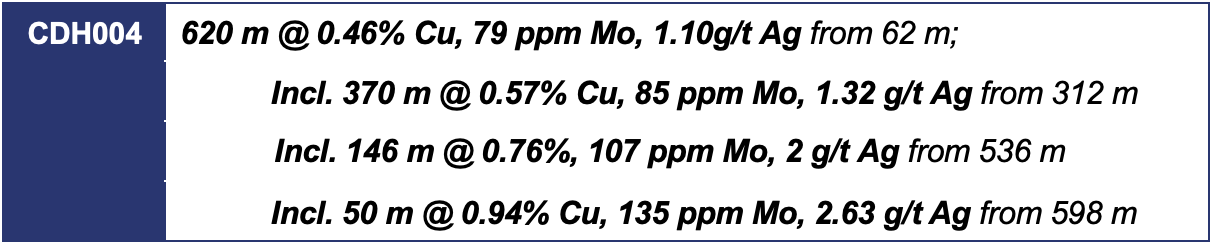
Andina Copper Reports 620 m @ 0.45% Cu, 79 ppm Mo from 62 m, including 146 m @ 0.76% Cu, 107 ppm Mo
 | |||||||||
February 16, 2026 – TheNewswire - Vancouver, British Columbia. Andina Copper Corporation (TSX-V: ANDC | FSE: FIR | OTCQB: PMMCF) is pleased to report outstanding drill intercepts from the second hole of its maiden diamond drilling program at the Company’s Cobrasco copper-molybdenum project in Chocó, Colombia.
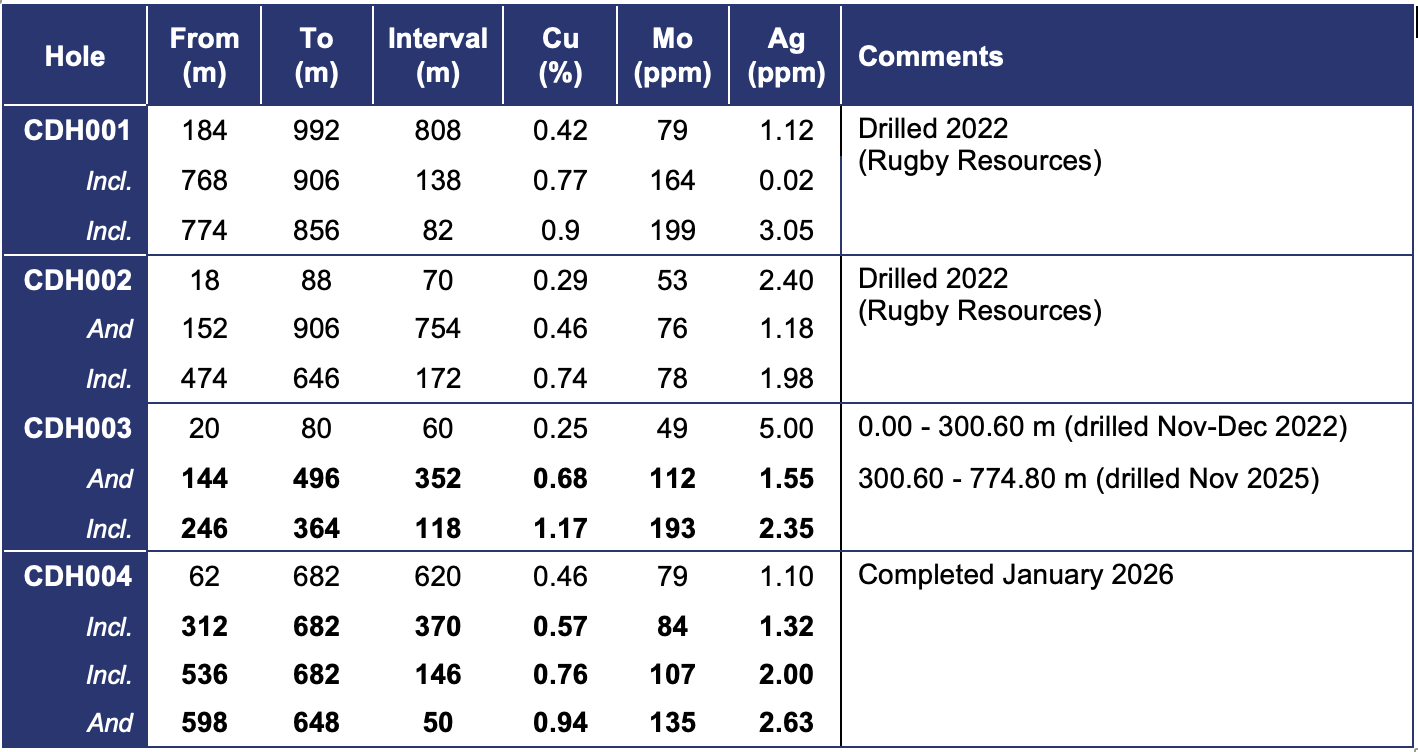
Following on from the recent high-grade copper-molybdenum intersections in drillhole CDH003 (352m @ 0.68% Cu, 112 ppm Mo; Incl. 118m @ 1.17% Cu, 193 ppm Mo (refer News Release dated 5 February 2026)), results from subsequent drillhole CDH004 have reported further intercepts of strong mineralization.
HIGHLIGHTS:
-
Significant wide intercepts of Cu-Mo mineralization reported in drillhole CDH004:
Click Image To View Full Size
-
Sporadic occurrences of gold mineralization of up to 1.06 g/t in CDH004 support a possible gold-rich intrusive phase within the broader Cobrasco system.
-
Strong copper mineralization logged in drillhole CDH005. CDH005 was designed to expand the mineralized footprint to the southwest of holes CDH003 and CDH004 and completed to 934.00m. Results expected shortly.
-
Step-out drillhole CDH006 targeting potential for large extensions of the mineralized systemcurrently underway
-
Potential for a large-scale porphyry Cu-Mo deposit with significant volumes of high-grade mineralization evident, supported by ongoing drilling and geological observations.
Andina Copper’s President and CEO Joseph van den Elsen commented:
“Following recent results from CDH003, the wide intercepts of high-grade copper mineralization reported in CDH004 further validate the size, scale and grade of the Cobrasco system. We see the potential for a globally significant deposit(s) at Cobrasco, and mobilization of a second drill rig to expedite rapid exploration and evaluation is planned. Ongoing step-out drilling will now seek to systematically expand the footprint of the system, add volume to the copper grade shells and define the lateral extents of the system”.
Click Image To View Full Size
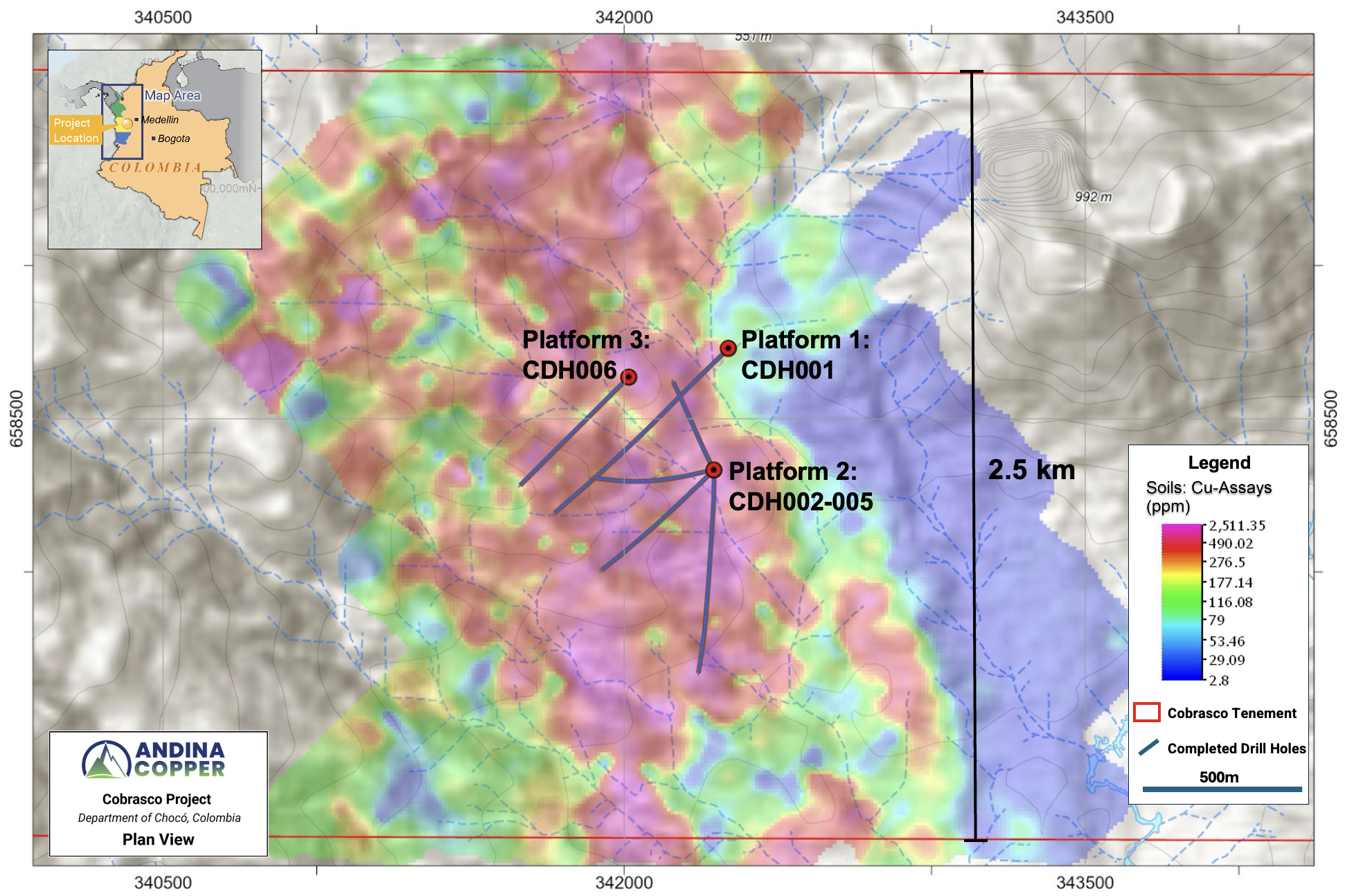
Figure 1: Andina Collar Plan and Prospect Location.
Geology and Mineralization CDH004
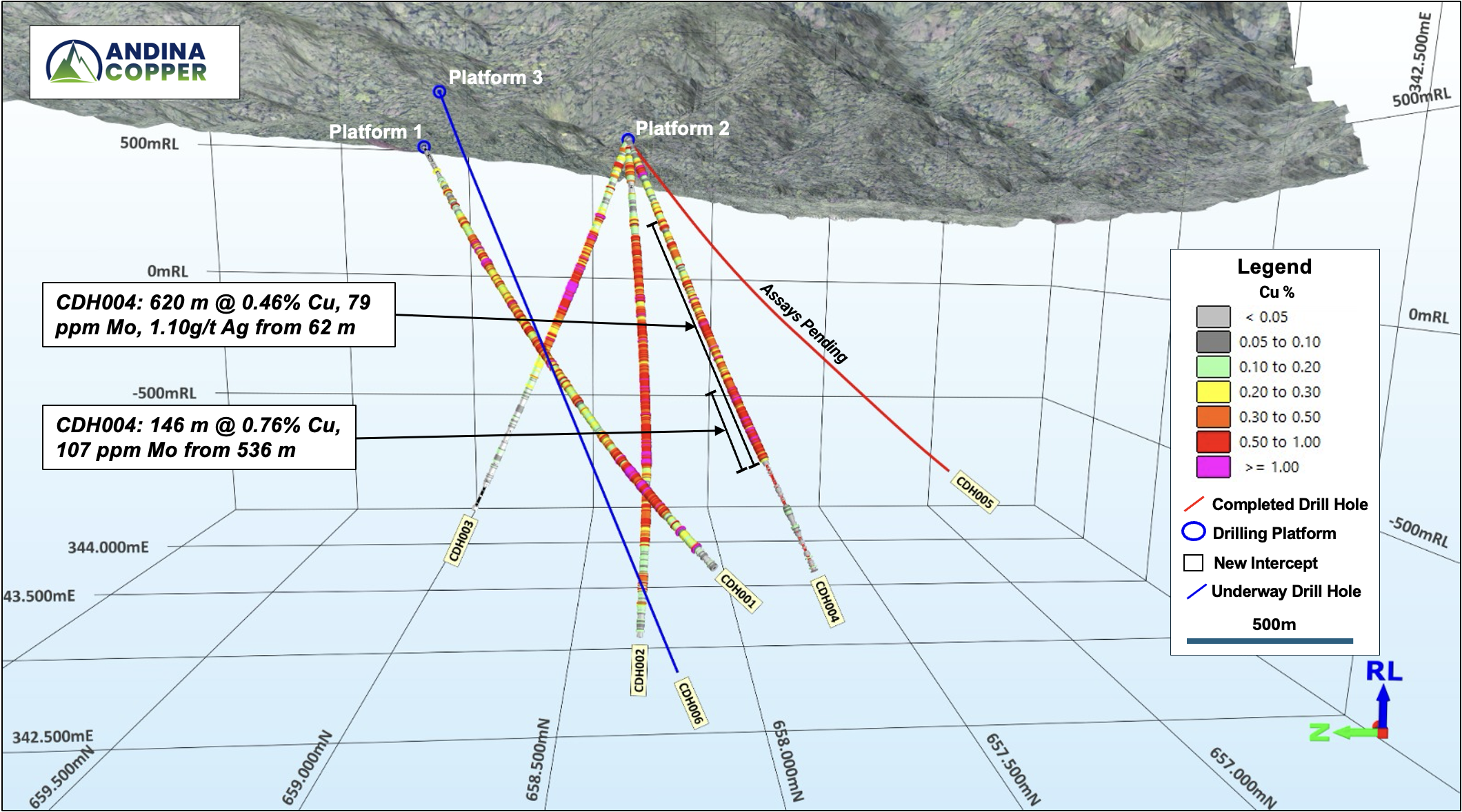
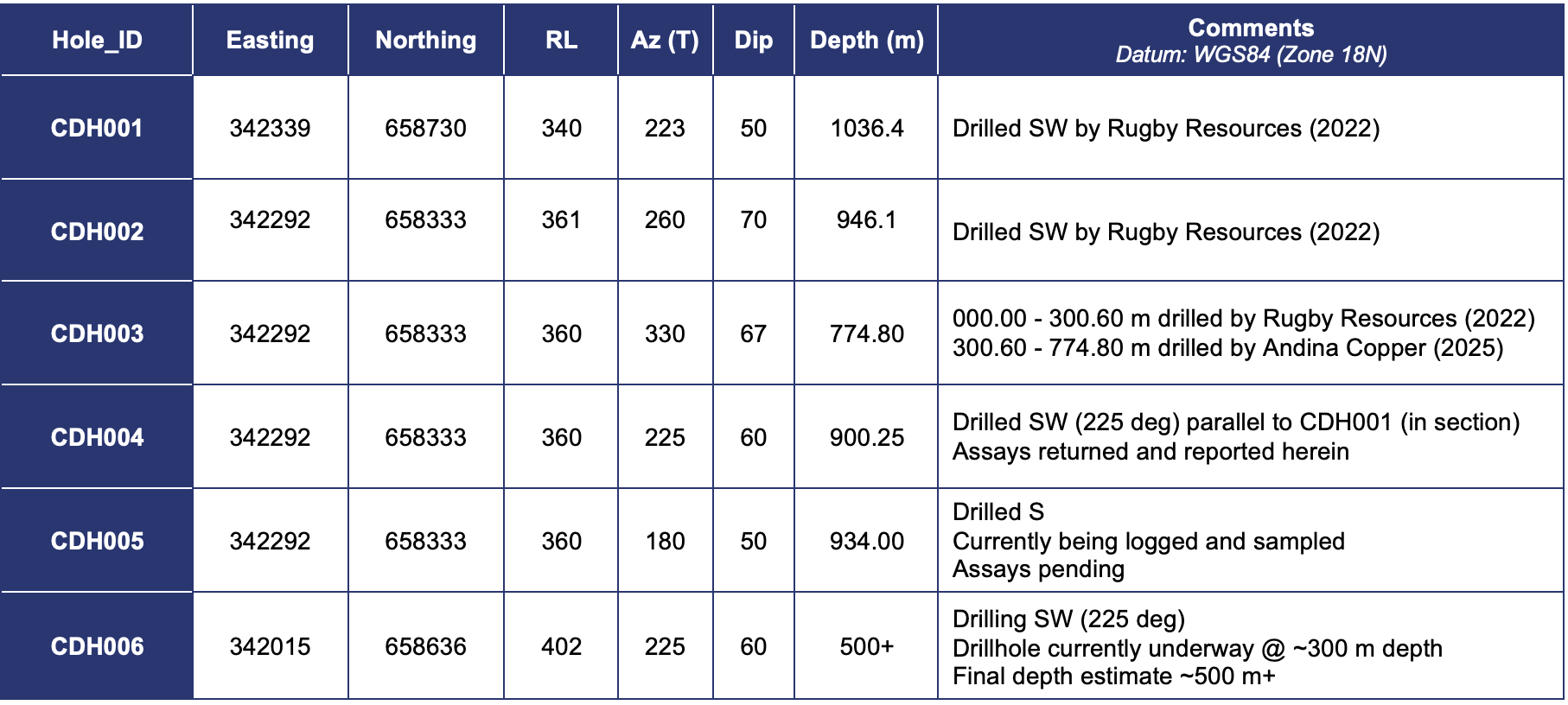
Following the successful completion of drillhole CDH003, which returned long intercepts of high-grade copper-molybdenum mineralization (refer Table 1: Cobrasco Significant Drill Intercepts), hole CDH004 was completed to a final depth of 900.25 m.
CDH004 was collared from the same platform as CDH002 and CDH003 but oriented to the south-west (Az: 225°, Dip: -60°) to drill in-section, broadly parallel to CDH001 and the surface soil grid and IP geophysics, and to cross-cut the dominant regional NW structural trend.
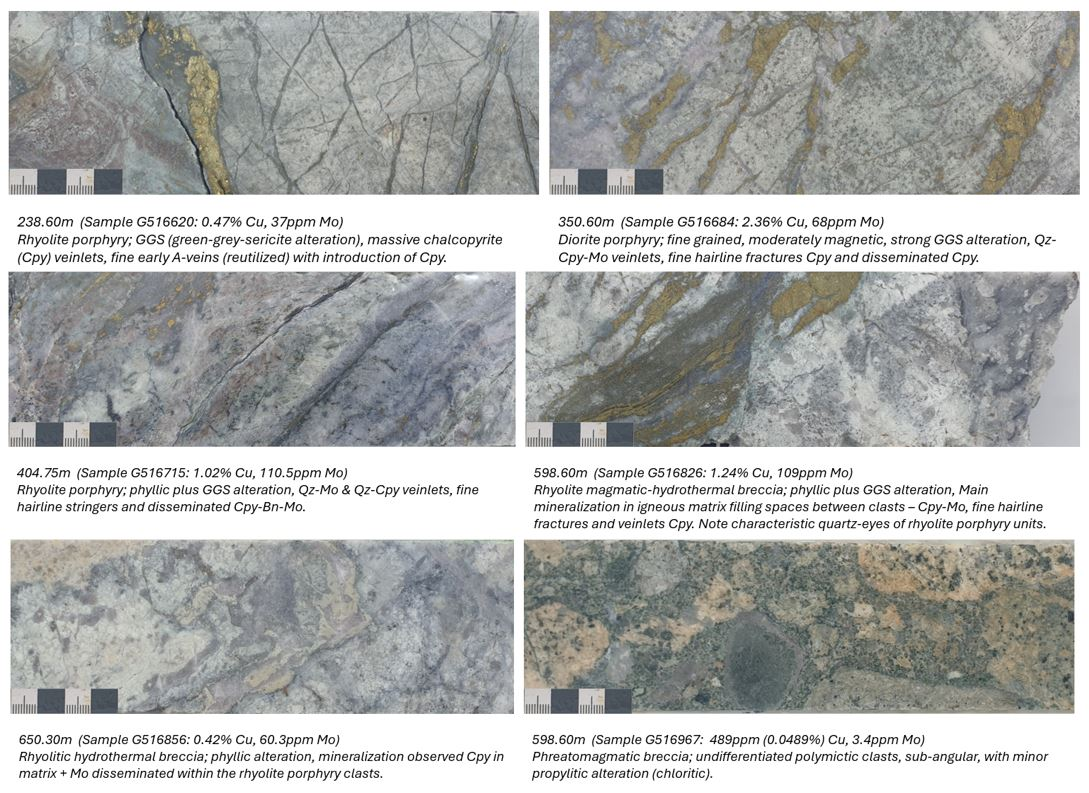
The upper 56 m intersected a sequence of intermediate composition porphyries characterized by disseminated magnetite, a characteristic dark color due to the mafic content, and crowded crystal textures consistent with deeper emplacement and slower cooling. The lower portion of this interval (44–56 m) returned anomalous copper and silver values of up to 0.39% Cu and 393 ppm Ag.
From 56 to 579 m, CDH004 intersected multiple phases of early to late-mineral rhyolite, rhyodacite and dacite with felsic affinities. These units display glassy aphanitic groundmass, quartz phenocrysts (“quartz eyes”) and local flow banding, interpreted to reflect rapid magma decompression and emplacement within a flow-dome complex. The felsic sequence is cut by multiple thin intermediate composition porphyry intrusions that are mineralized and demonstrate favorable host rock characteristics.
The interval from 579 to 686 m contains the strongest copper grades and is associated with intensely fractured magmatic-hydrothermal breccias. These intermineral breccias are interpreted to have developed along contacts between successive porphyry phases and above early intermineral intrusions. They comprise a fine-grained igneous matrix hosting sub-angular fragments of earlier porphyries and vein clasts. The intense fracturing suggests effective fluid focusing, making this interval a significant contributor to the mineralized system. The breccia zone returned an average grade of 0.75% Cu over the 579–686 m interval, including a peak 2 m assay value of 1.70% Cu.
The final interval from 686 m to end of hole at 900.25 m is characterized by phreatomagmatic breccias displaying tuffaceous matrix with juvenile crystal fragments and polymict clast assemblages with poor sorting. These are interpreted as a late-stage event in the genesis of the deposit and returned comparatively low copper grades, averaging 215 ppm Cu, with a maximum 2 m value of 0.20% Cu. Similar late-mineral phreatomagmatic breccias were recognized at depth in CDH001 and are considered low-grade to barren, and will represent a boundary or delimiting lithology unit for ongoing drill planning.
Click Image To View Full Size
Figure 2: Oblique 3D view of drillholes at the Cobrasco Copper Project.
Geology and Mineralization CDH005 (assays pending)
CDH005 was collared from the same drill pad as holes CDH002 – CDH004 (Az: 180°, Dip: -50°) as a shallow-angle, deep hole designed to test the southern extensions of the Cobrasco Central mineralized system and evaluate the geological controls on magnetic response and host lithology.
Unlike the earlier holes, CDH005 targeted an area characterized by high magnetic intrusive sequences at surface, transitioning into a magnetic low embayment at depth. To date, stronger mineralization has been associated with felsic intrusive host rocks (predominantly rhyolites and rhyodacites) displaying coincident magnetic lows, making this hole an important test of both southern continuity and exploration model assumptions.
The hole was collared within intermediate diorite porphyry (as described for CDH004) and remained within this phase to approximately 170 m downhole before intersecting fine-grained dacite–andesite intrusive units. These subvolcanic porphyries exhibit visually significant chalcopyrite-dominant sulphide mineralization, accompanied by weak to moderate sericitic alteration overprinting earlier potassic assemblages — consistent with mineralized porphyry systems observed elsewhere within the district.
The dacite–andesite units are intruded by thin apophyses of intermineral rhyolite porphyry and extend to approximately 630 m downhole, where the hole intersected a younger intermineral rhyolite porphyry that continued to end of hole at 934 m. The lower sections display epidote–chlorite alteration consistent with a propylitic assemblage, interpreted to represent the outer zones of the Cobrasco Central hydrothermal system.
The continuity of intrusive phases, alteration styles and sulphide mineralization throughout the hole supports the interpretation of a large and long-lived mineralizing system extending south of the currently defined drill footprint.
Detailed geological and geotechnical logging is ongoing, with assays pending and expected shortly.
Click Image To View Full Size
Fig 3: Hole CDH004 Selection of Downhole Mineralization & Alteration Examples
The Company’s Corporate Presentation is available at: Andina Copper Corporate Presentation
Interested parties can subscribe to our mailing list and follow our social media channels in the links below:
Mailing List | Andina Copper LinkedIn | Andina Copper X | Andina Copper Instagram
|
ON BEHALF OF THE BOARD Joseph van den Elsen President & Chief Executive Officer Jordan Webster VP – Technical Communications |
QUALIFIED PERSON
Francisco Montes, a consultant of Andina Copper Corp and a “qualified person” (“QP”) within the definition of that term in National Instrument 43-101, Standards of Disclosure for Mineral Projects, has verified the scientific and technical information that forms the basis for this news release. Francisco Montes is a member of Australian Institute of Geoscientists (MAIG #4160).
QAQC
CDH004 was collared with a HQ size drill string, with drill core extracted from the core barrel by the drill contractor under the supervision of Andina Copper personnel and placed in core boxes with appropriate depth markers and padding added. Full core boxes were then sealed before being transported by helicopter and pickup truck to the Cobrasco core-cutting facility in Quibdó. Core was cleaned, marked-up and photographed, prior to undergoing the required geotechnical and geological logging. All core was cut by diamond saw by Andina Copper technicians, other than the top saprolite intervals that could be cut by spatula. All sampling was conducted in nominal 2m intervals and in all cases, the cut-line was marked by the supervising geologists to ensure representative sampling. Samples were placed in plastic bags with non-repeatable sample tags and bagged in polyweave bags ready for transport.
The core trays with the remaining half-core are stored at the Andina Copper facility in Quibdó for ongoing geotechnical (Terraspec spectral analysis, magsus magnetic measurements, density measurements and follow-up detailed geological logging. From Quibdó core samples were sent to the ALS preparation facility in Medellin, an accredited laboratory which is independent of the Company. Prepared sample pulps were then sent to the ALS laboratory in Lima, Peru for gold (Au-AA23), multi-elements (ME-MS61), and overlimits limits analysis (ME-OG62 including copper Cu-OG62). Coarse and fine rejects are returned by ALS Medellin for storage at the Andina Copper storage facility.
Mineralized intercepts reported for CDH004 have applied a 0.2% Cu cut-off and maximum dilution of 20m.
Click Image To View Full Size
Table 1. Andina Copper -Significant Drill Intercepts: Cobrasco Project
Click Image To View Full Size
Table 2. Andina Copper – Drill Collar File: Cobrasco Project
ABOUT ANDINA COPPER
Andina Copper Corporation is a unique South America- focused copper explorer listed on the TSX Venture Exchange (TSXV:ANDC), Frankfurt (FSE: FIR), and OTC (OTCQB: PMMCF) exchanges. The Company holds two significant discoveries along the world’s premier copper producing Andean porphyry belt in Argentina and Colombia, and a compelling undrilled copper-gold target in the prolific copper production district of the Coastal Cordillera of Chile.
FORWARD-LOOKING STATEMENT
This news release contains certain statements that may be deemed "forward-looking statements". All statements in this release, other than statements of historical fact, that address events or developments that Andina Copper expects to occur, are forward-looking statements. Forward-looking statements are statements that are not historical facts and are generally, but not always, identified by the words "expects" and similar expressions, or that events or conditions "will" or "may" occur. These statements are subject to various risks. Although Andina Copper believes the expectations expressed in such forward-looking statements are based on reasonable assumptions, such statements are not guaranteeing of future performance, and actual results may differ materially from those in forward-looking statements.
Neither the TSXV nor the Canadian Investment Regulatory Organization accepts responsibility for the adequacy or accuracy of this release.